
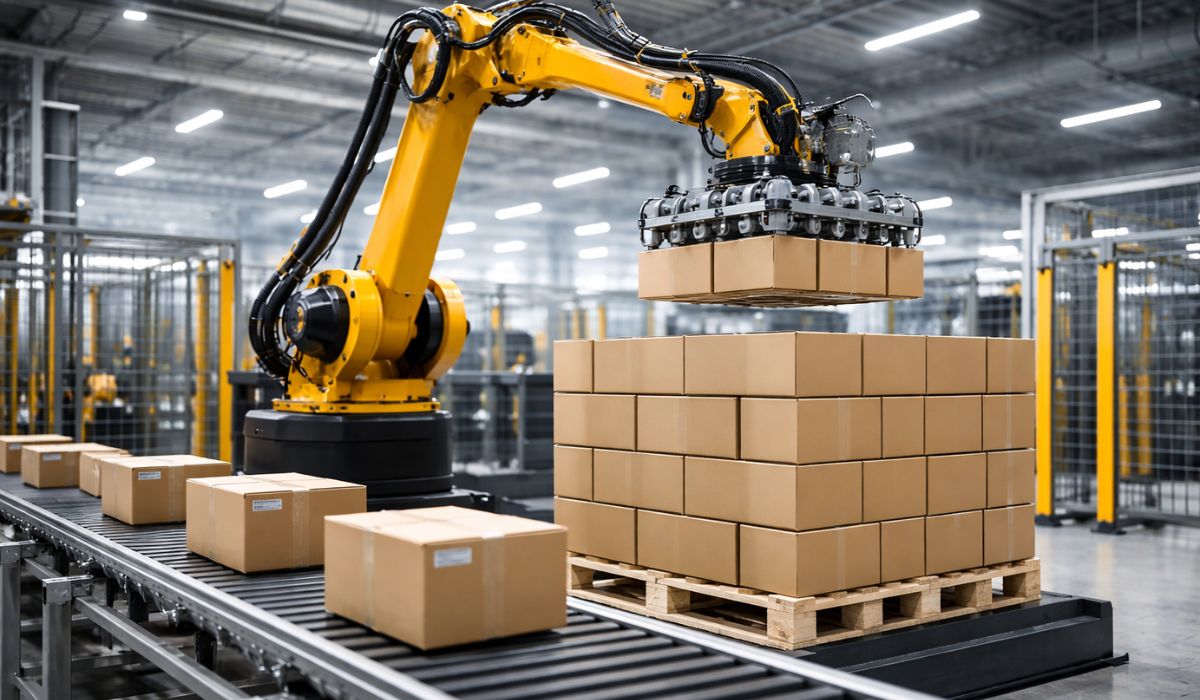
For industrial manufacturers, the final step of production—palletizing—is often the most physically demanding and logistically critical. Every day, workers manually stack thousands of cases, bags, or products onto pallets, relying on endurance and consistency to meet shipping deadlines. Labor shortages, safety…
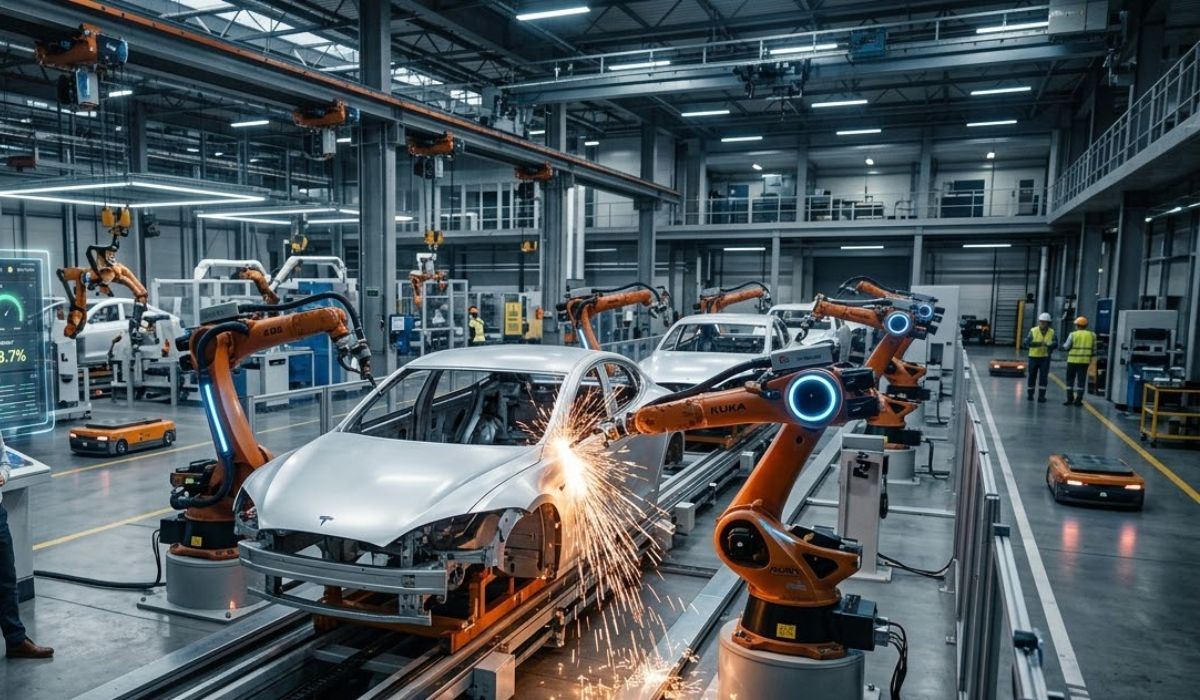
Industry 4.0 Automation Solutions for Smart Manufacturing
The manufacturing landscape is undergoing its most significant transformation since the industrial revolution. For today’s factory owners and production managers, the pressure to increase efficiency, reduce downtime, and maintain quality is relentless. Manufacturing complexity continues to rise while market demands for…
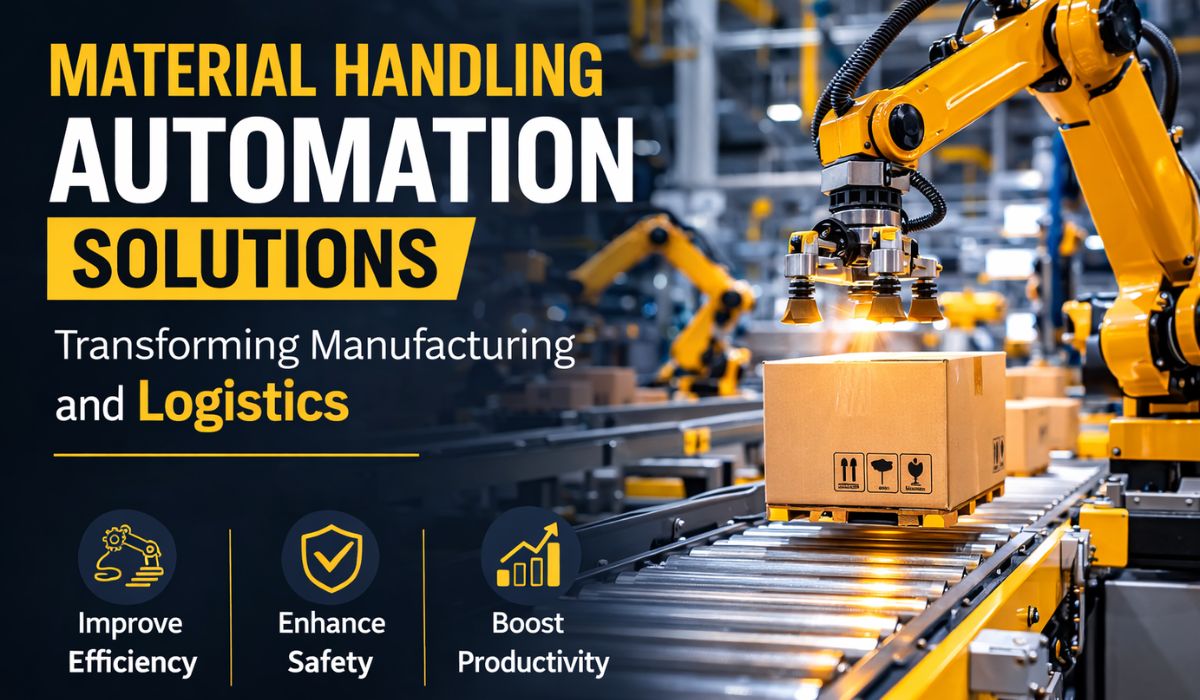
Material Handling Automation Solutions: Transforming Manufacturing and Logistics
In today’s fast-paced industrial environment, the movement of materials through a production facility can determine the overall efficiency of the entire operation. Manufacturing decision-makers and plant managers face increasing pressure to optimize workflows, reduce labor costs, and maintain consistent throughput. This…
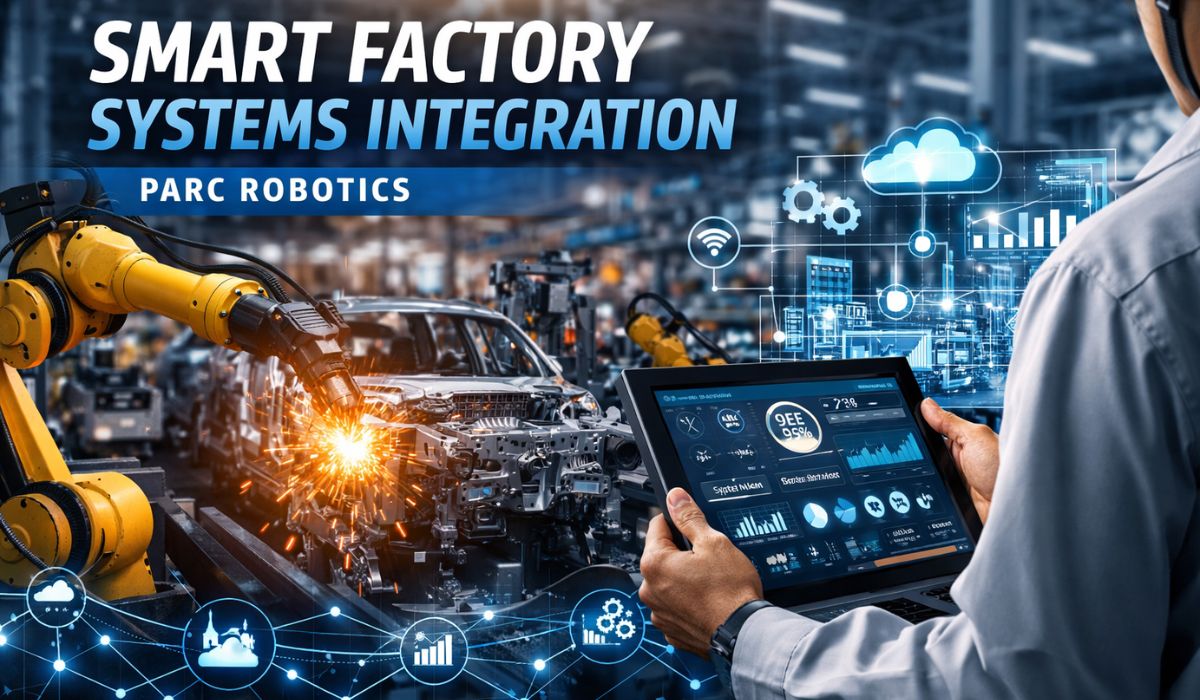
Smart Factory Systems Integration for Advanced Manufacturing
Engineering Smart Factory Systems for High-Performance Manufacturing Manufacturing competitiveness today depends on speed, precision, and real-time control. Smart factory systems integrate robotics, automation controls, industrial communication networks, and production data into a connected ecosystem that improves operational visibility and measurable performance….
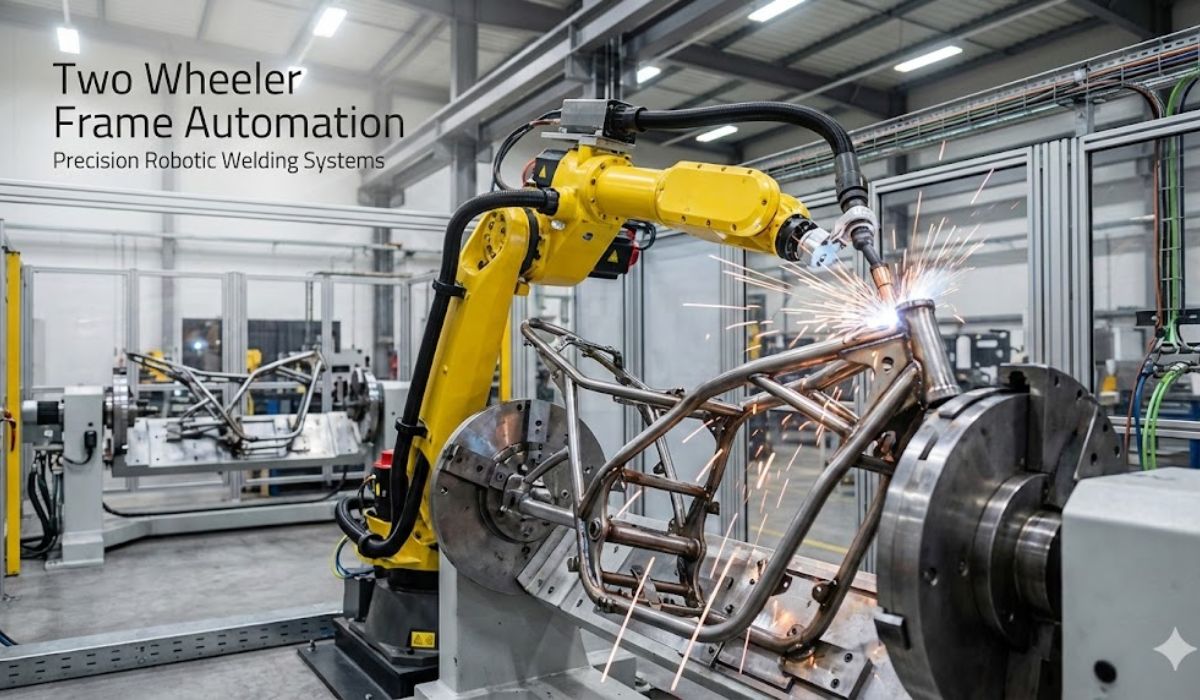
Two Wheeler Frame Automation | Precision Robotic Welding Systems
Engineering-Driven Robotic Automation for Two Wheeler Frame Production Two wheeler frame automation requires more than standard welding robotics—it demands an integrated approach to part positioning, thermal management, and process control. Parc Robotics designs and deploys fully engineered robotic welding systems specifically…
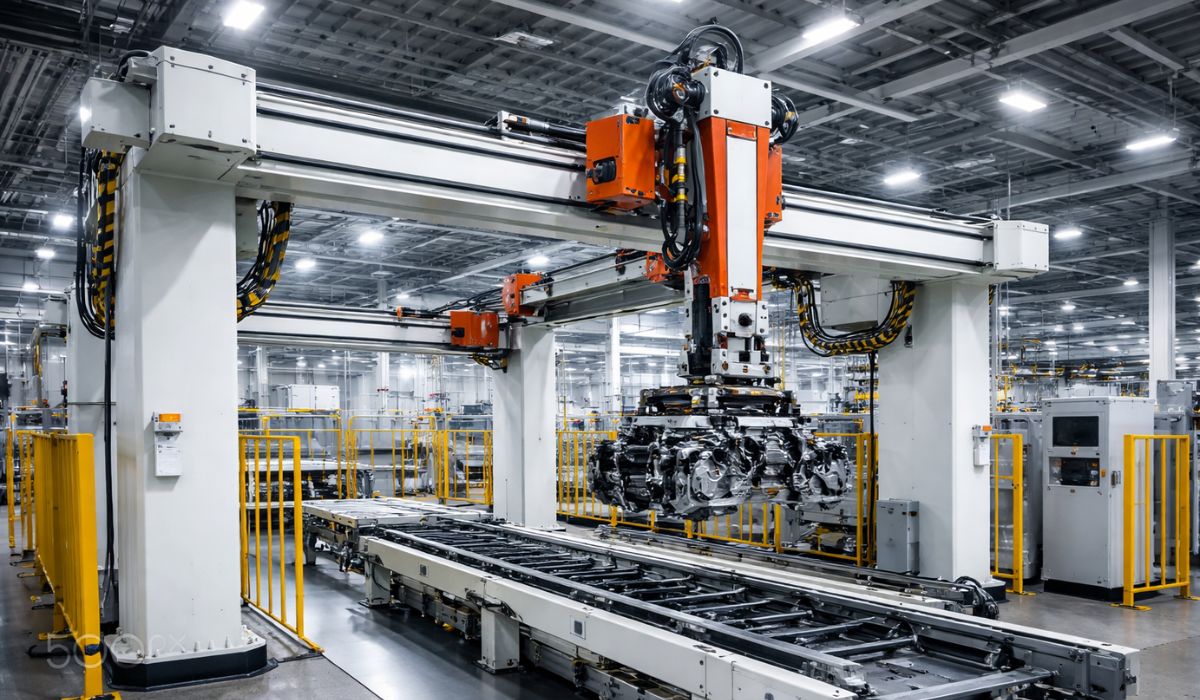
Gantry Automation System in India
Indian manufacturing is shifting toward high-precision, high-throughput automation. For applications involving heavy payloads, long travel distances, and structured linear motion, a Gantry Automation System provides superior rigidity, repeatability, and scalability compared to conventional robotic arms. Parc Robotics engineers and integrates industrial…
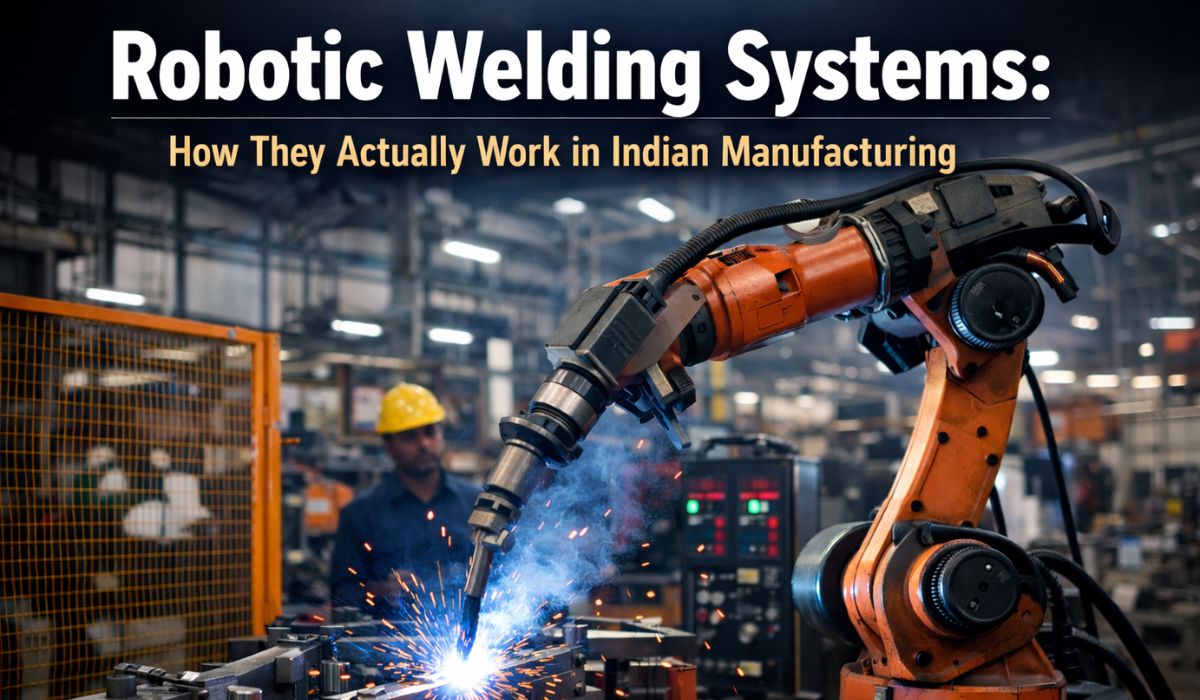
Robotic Welding Systems: How They Actually Work in Indian Manufacturing
For manufacturing engineers, production managers, and plant heads across India, robotic welding presents a compelling proposition. It promises higher throughput, consistent quality, and reduced dependency on skilled welders. However, the journey from procurement to profitable operation is often misconstrued. The common…
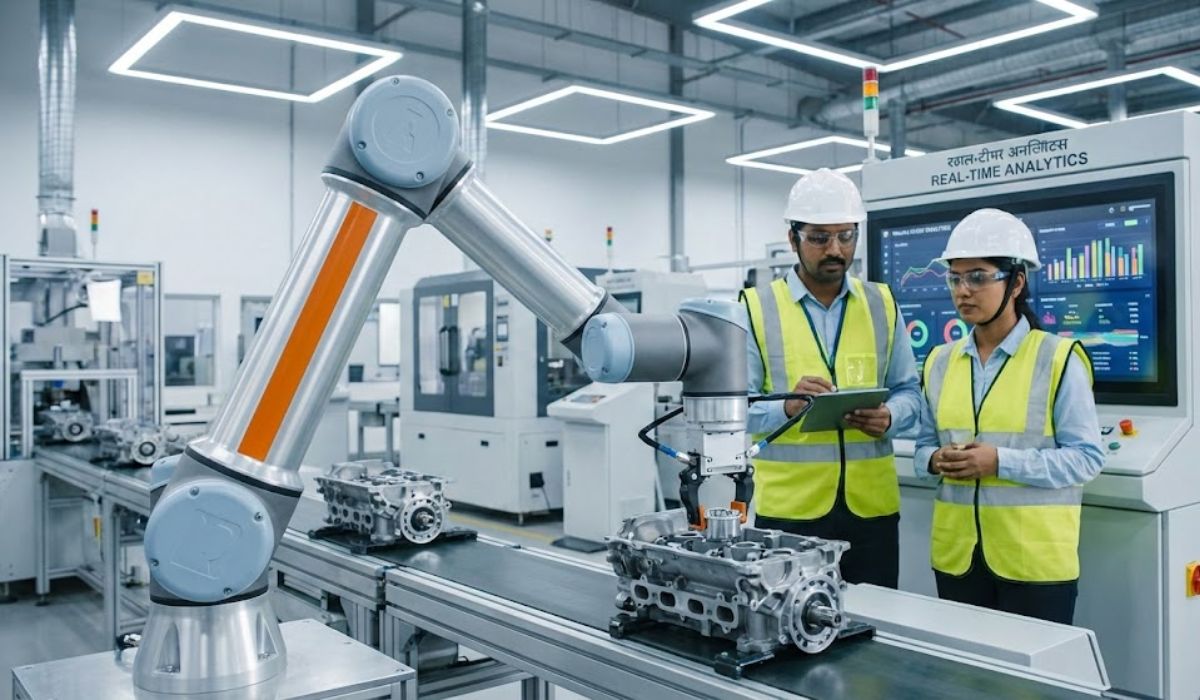
Robotic Automation Solutions in Manufacturing: How Indian Industries Are Moving from Manual to Smart Automation
Indian manufacturing stands at a historic inflection point, and the adoption of Robotic Automation Solutions in Manufacturing is the defining response. For decades, the sector’s competitive advantage was predicated on abundant, cost-effective labor. Today, that model is under severe strain. Rising wage expectations,…
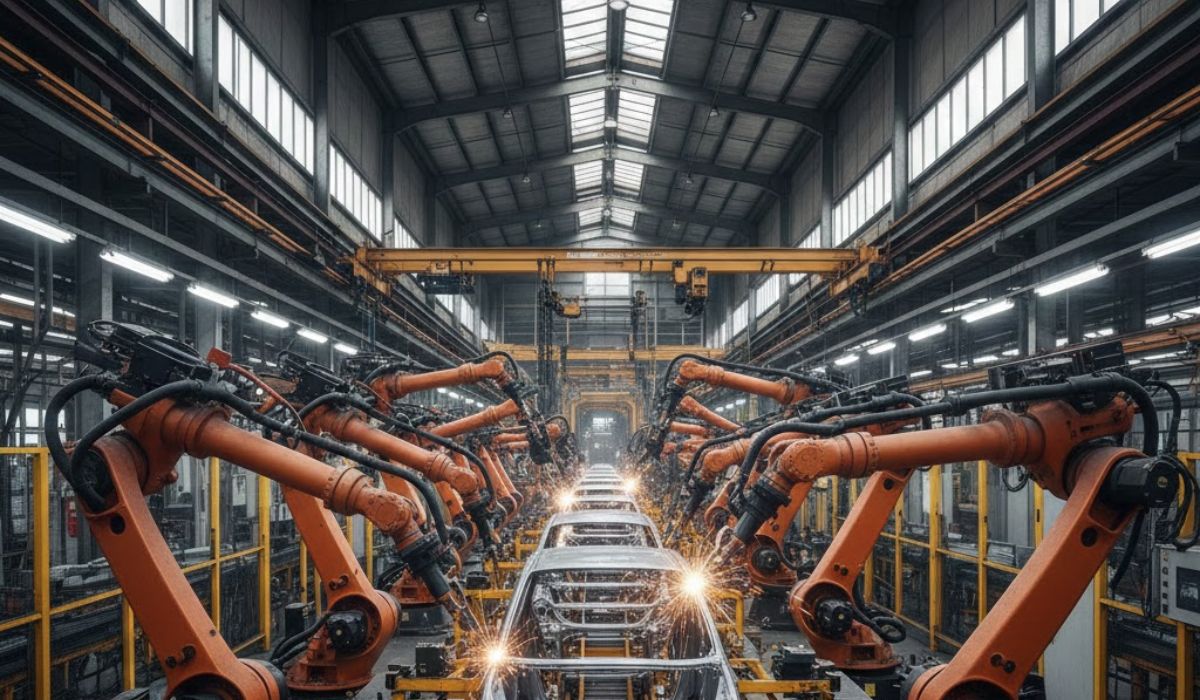
Robot Is Not the Solution: Automation Problems That Robots Alone Can’t Fix
Industrial automation is often misunderstood as a hardware problem. In many factories, automation discussions begin with robot brands, axis speed, payload capacity, and reach. The assumption is simple: if the robot is powerful and precise enough, the automation project will succeed….
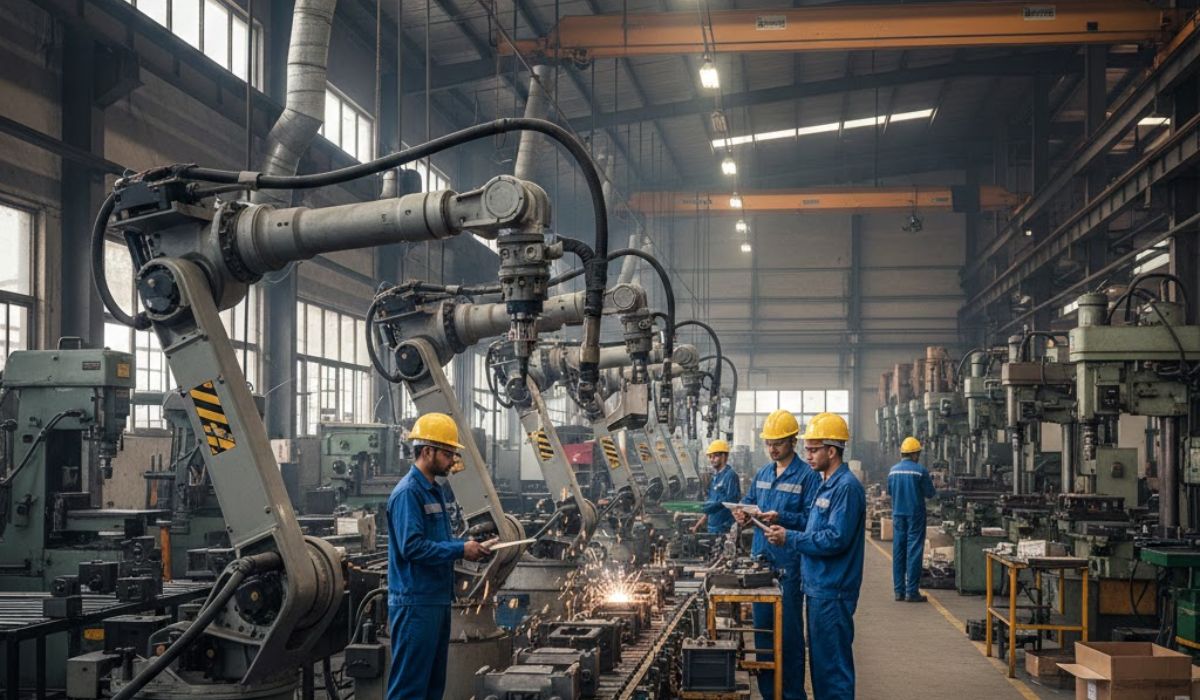
Future of Robotics and Automation in Indian Manufacturing
Indian manufacturing is standing at a critical turning point. For decades, growth depended on low-cost labor and incremental capacity expansion. That model is breaking down. Rising wages, inconsistent skill availability, tighter quality standards, and global competition are forcing Indian manufacturers to…