
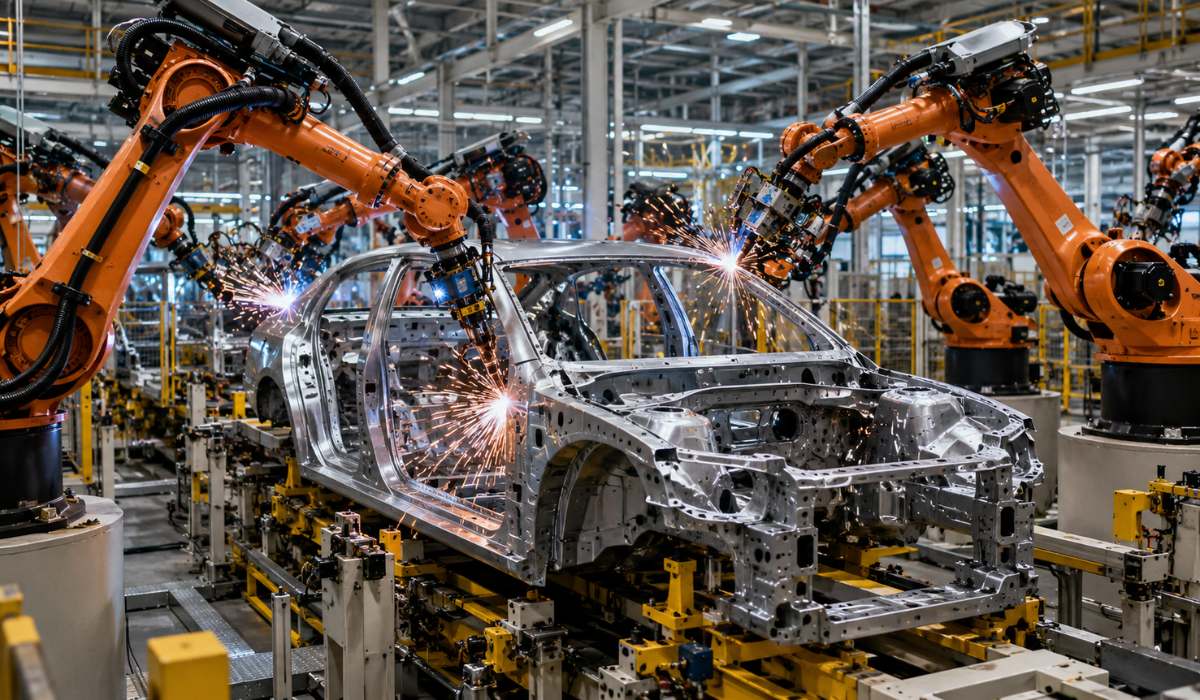
Robotic welding for automotive manufacturing in India involves using automated robot arms to perform MIG, TIG, and spot welding on vehicle body panels, frames, chassis components, and sub-assemblies at Tier-1 and Tier-2 supplier plants. Indian automotive OEMs including Tata Motors, Toyota,…
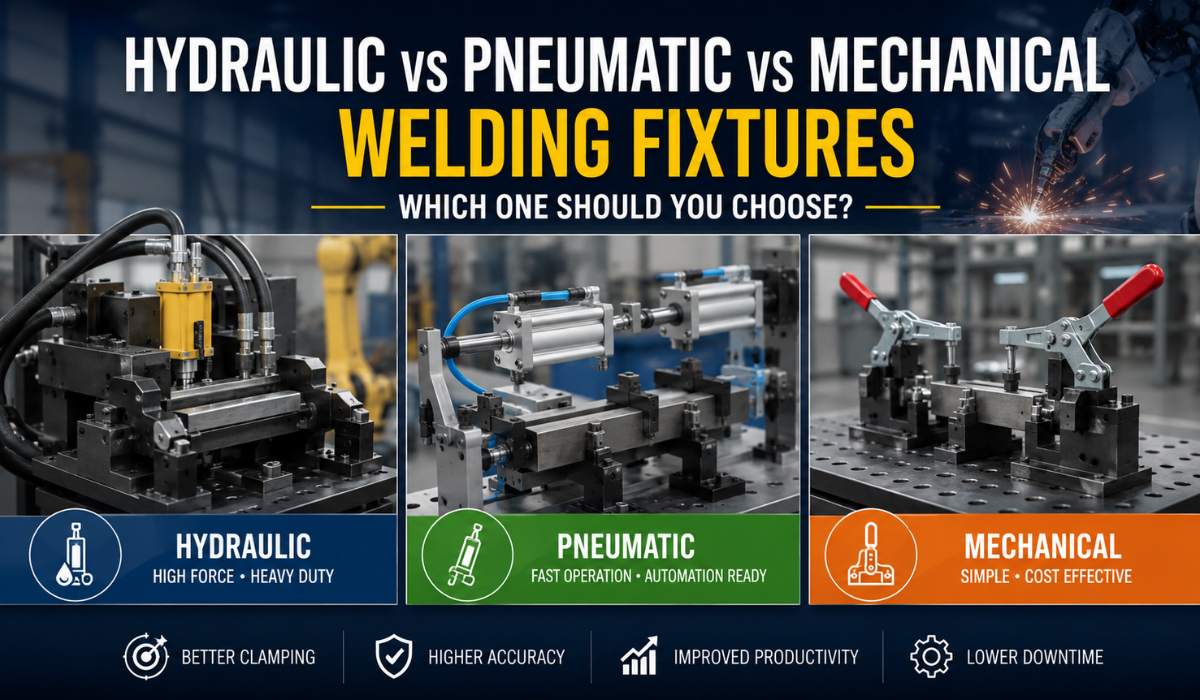
Hydraulic vs Pneumatic vs Mechanical Welding Fixtures — Which One Should You Choose?
Every robotic welding cell is only as accurate as the fixture holding the part. And every fixture design starts with one decision that gets surprisingly little attention: how should the part actually be clamped? Hydraulic, pneumatic, and mechanical clamping each solve…
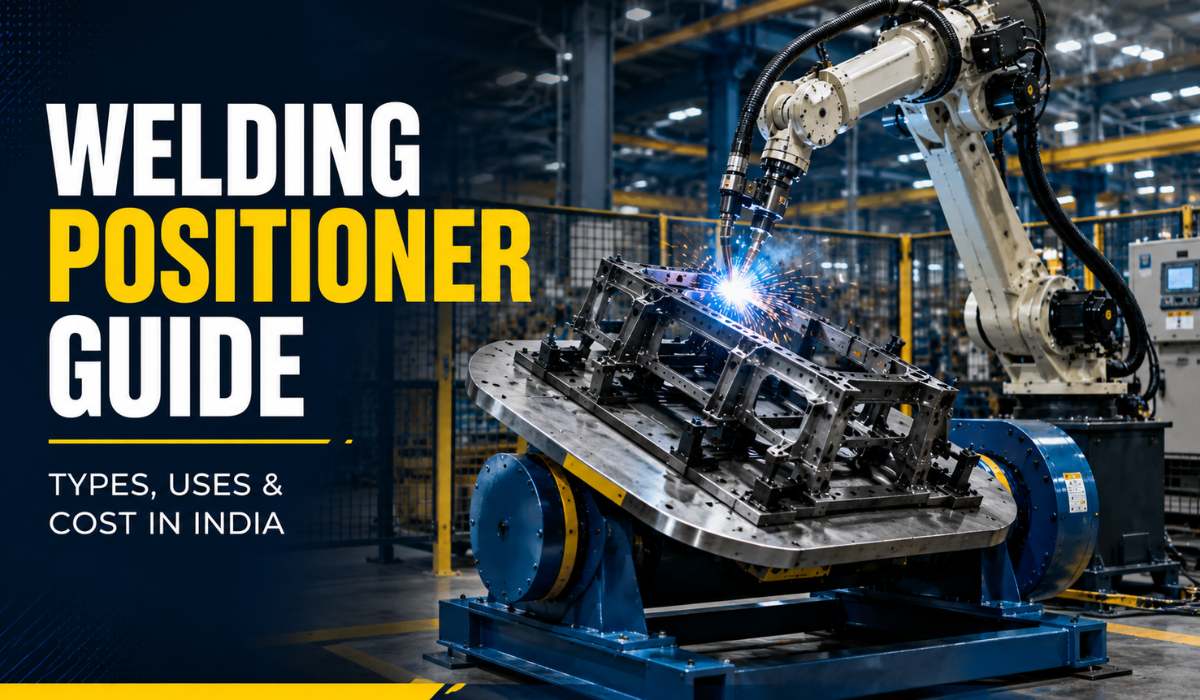
Welding Positioner Guide — Types, Uses & When You Need One
A robotic welding cell is only as good as its ability to present the part to the torch correctly. For most real-world components — frames, brackets, housings with welds on multiple faces — that job belongs to the positioner, not the…
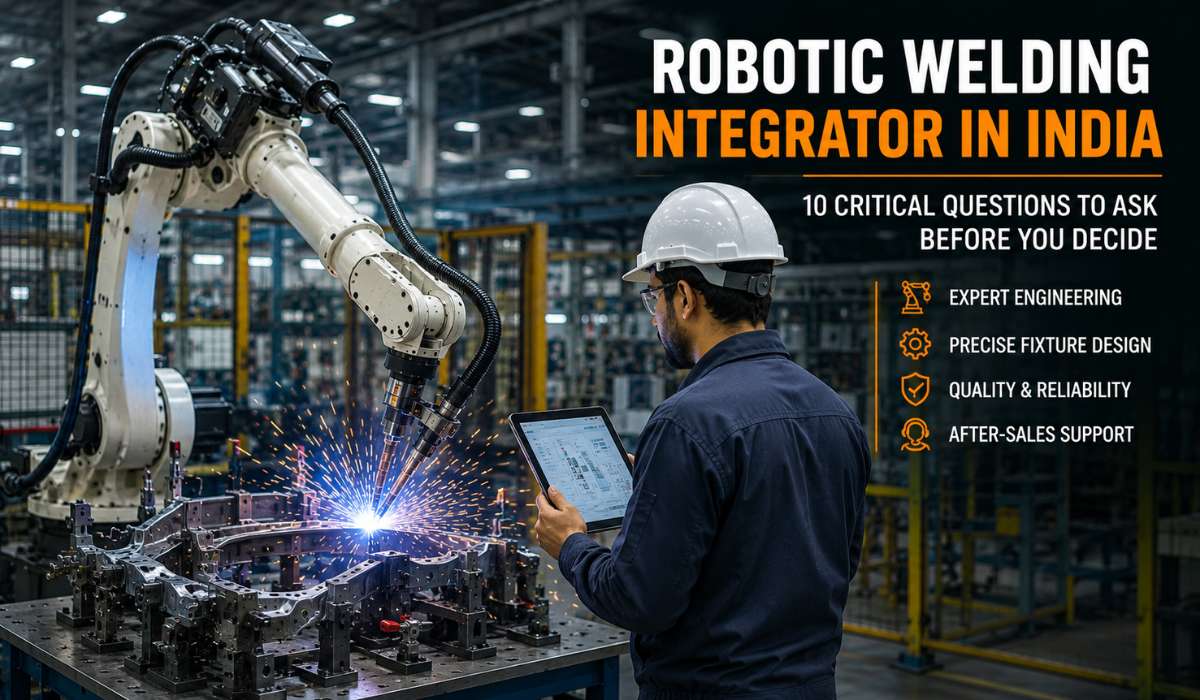
How to Choose a Robotic Welding Integrator in India — 10-Point Checklist
The robot is not the risk. The integrator is. Most robotic welding projects that fail in India fail not because the technology didn’t work — but because the company that designed and commissioned the system didn’t have the depth to do…
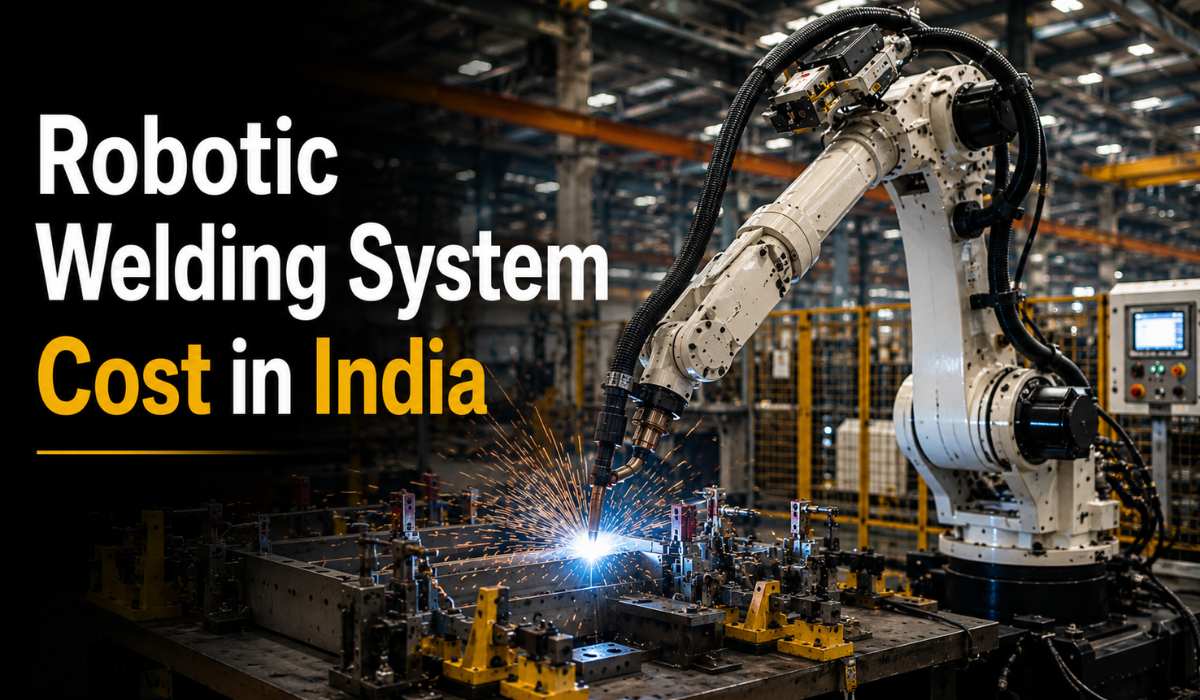
Robotic Welding System Cost in India (2026) — Full Breakdown & ROI Guide
The Problem Isn’t Technology – It’s Consistency Monday morning. First shift. Weld quality passes. By Wednesday, rejection creeps from 3% to 8%. By Friday, the rework bench is full. The supervisor is chasing welders. The night shift lead quit two weeks…
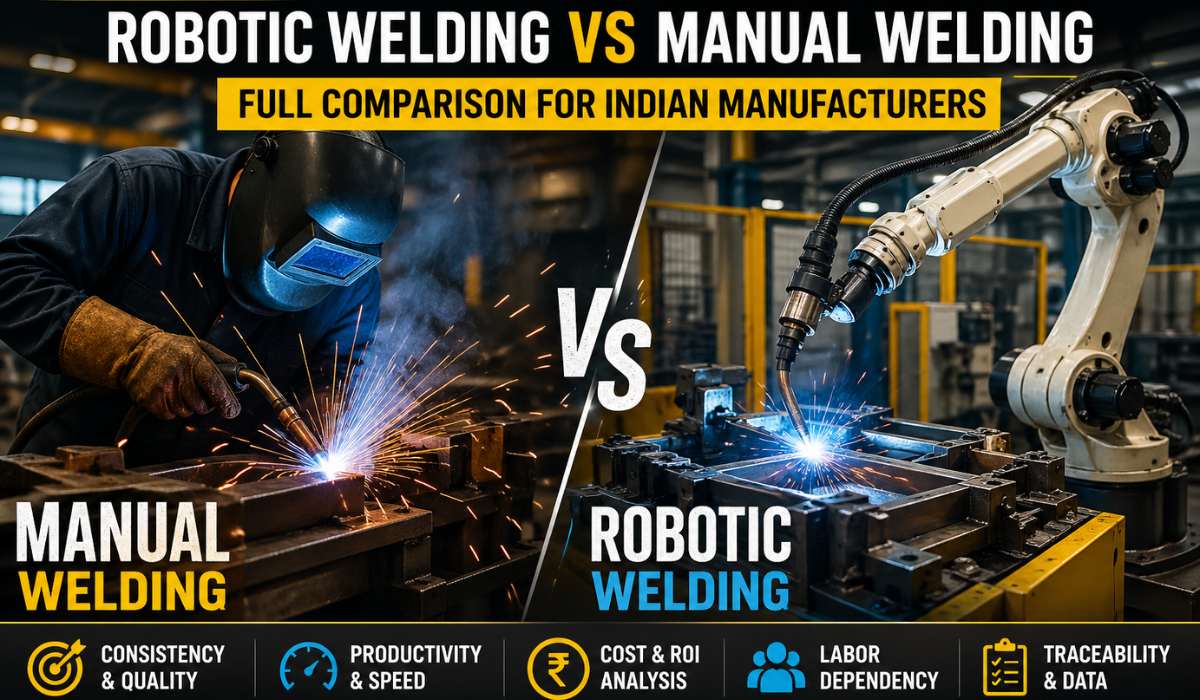
Robotic Welding vs Manual Welding — Full Comparison for Indian Manufacturers
If you are a production manager or plant head in India evaluating welding automation, this guide gives you a direct, numbers-backed comparison — without the sales pitch. Read about the robotic welding vs manual welding. Why This Decision Matters More Than…
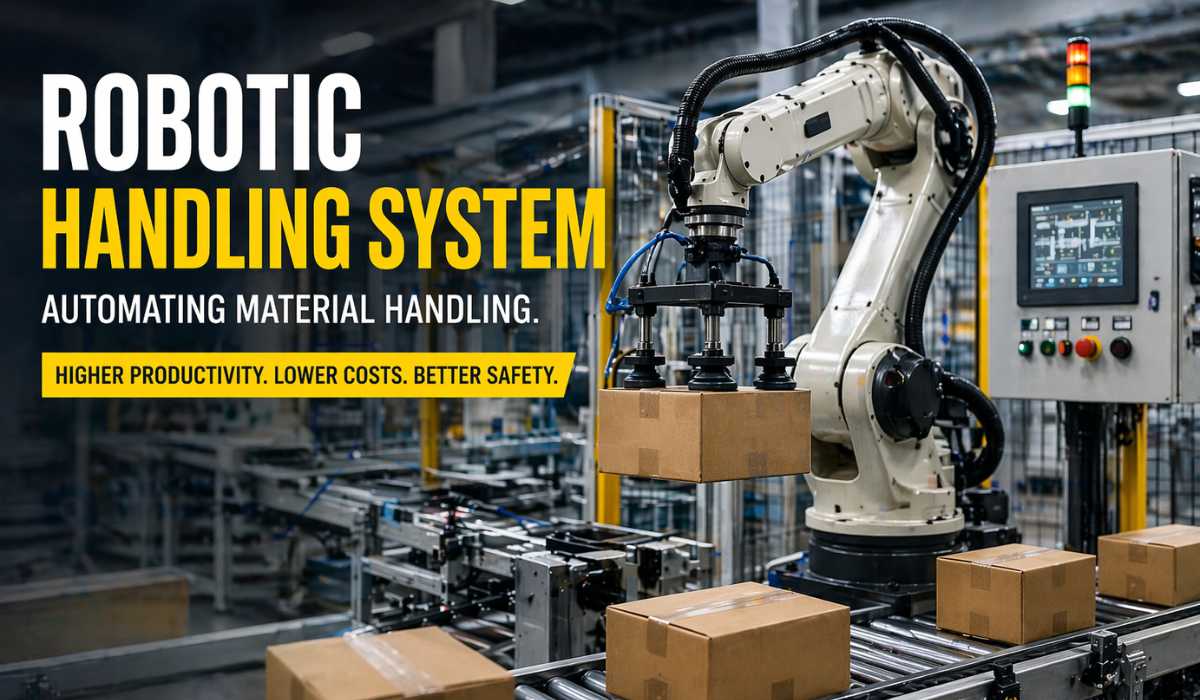
Robotic Handling System in India: Cost, ROI, Types & Industrial Applications (2026 Guide)
Labor is getting expensive. Errors are getting costly. And production targets are getting tighter. If your factory still depends heavily on manual material handling, you’re already behind. A robotic handling system (also called a robotic material handling system or automated handling system) solves this by automating…
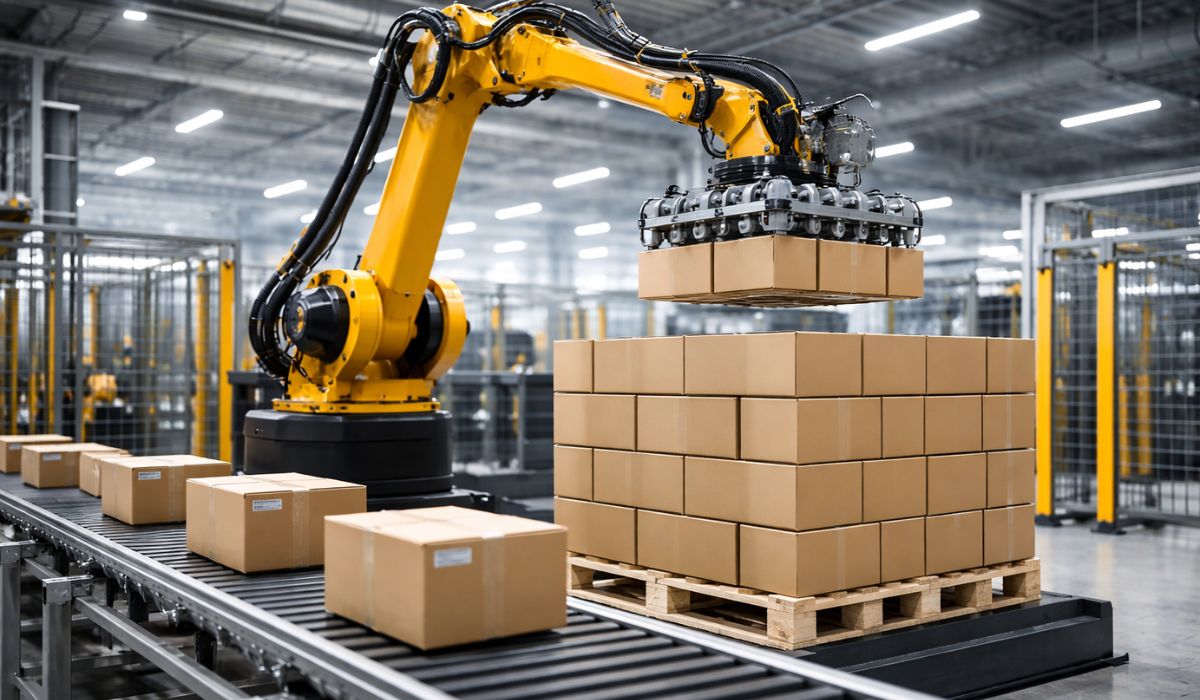
Robotic Palletizing Solutions in End-of-Line Automation
For industrial manufacturers, the final step of production—palletizing—is often the most physically demanding and logistically critical. Every day, workers manually stack thousands of cases, bags, or products onto pallets, relying on endurance and consistency to meet shipping deadlines. Labor shortages, safety…
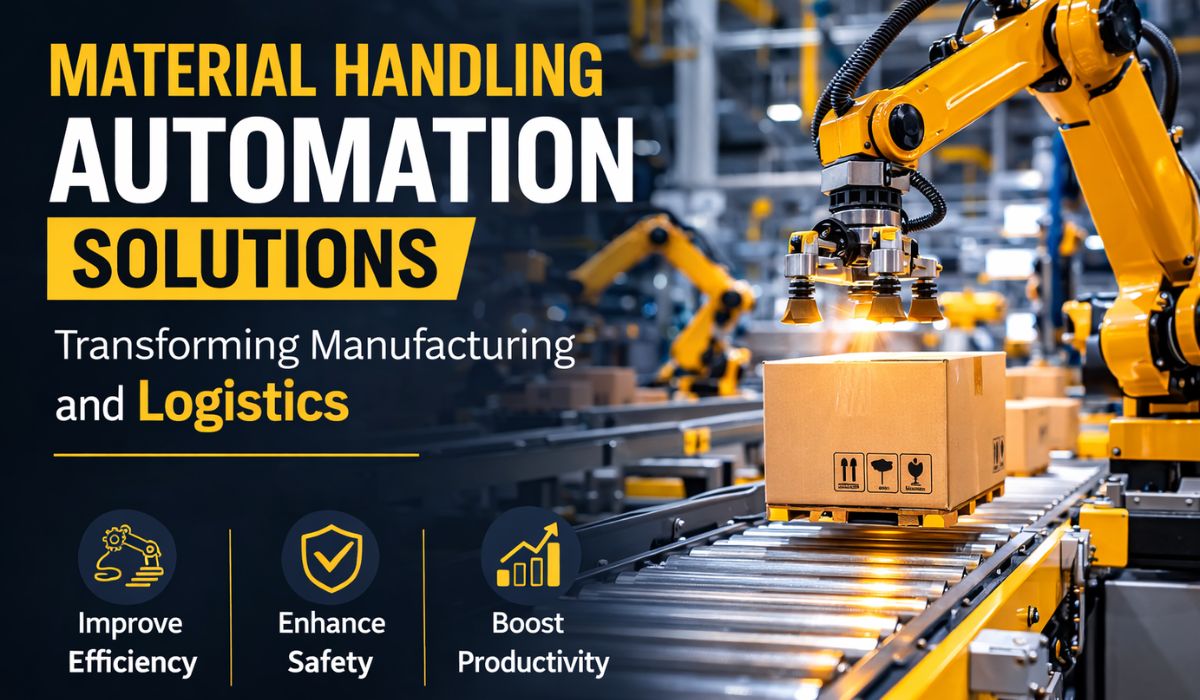
Material Handling Automation Solutions: Transforming Manufacturing and Logistics
In today’s fast-paced industrial environment, the movement of materials through a production facility can determine the overall efficiency of the entire operation. Manufacturing decision-makers and plant managers face increasing pressure to optimize workflows, reduce labor costs, and maintain consistent throughput. This…
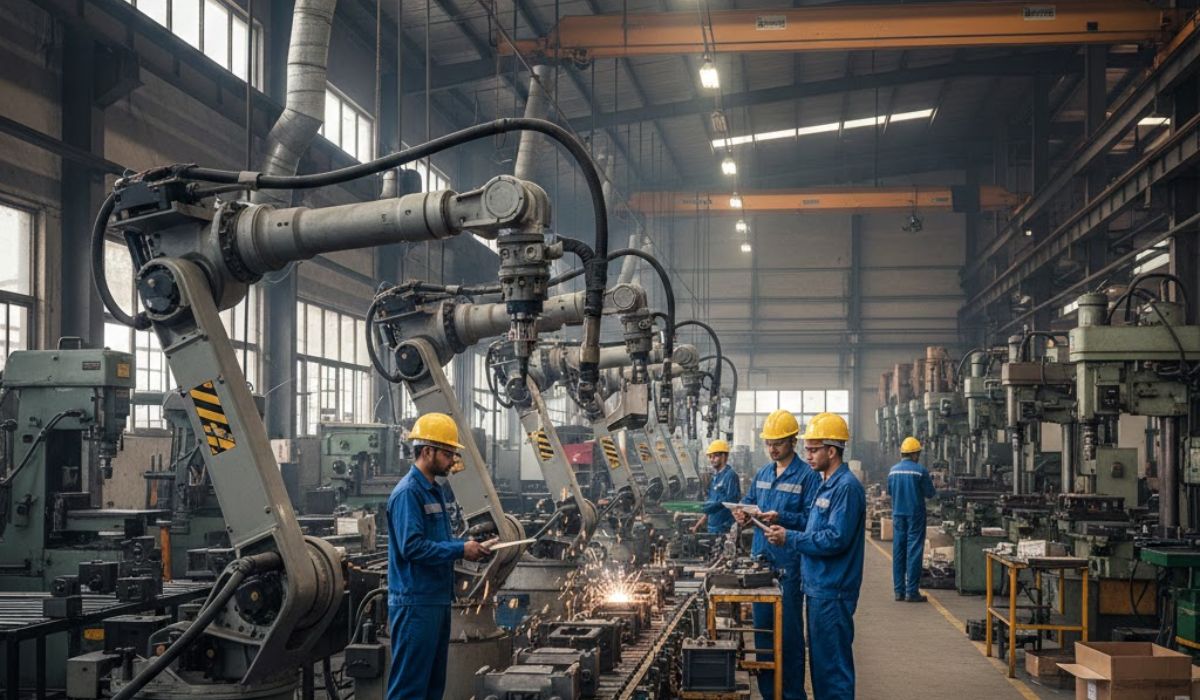
Future of Robotics and Automation in Indian Manufacturing
Indian manufacturing is standing at a critical turning point. For decades, growth depended on low-cost labor and incremental capacity expansion. That model is breaking down. Rising wages, inconsistent skill availability, tighter quality standards, and global competition are forcing Indian manufacturers to…